Companion Planting: What Actually Works in a Vegetable Garden
Riley Hofmann
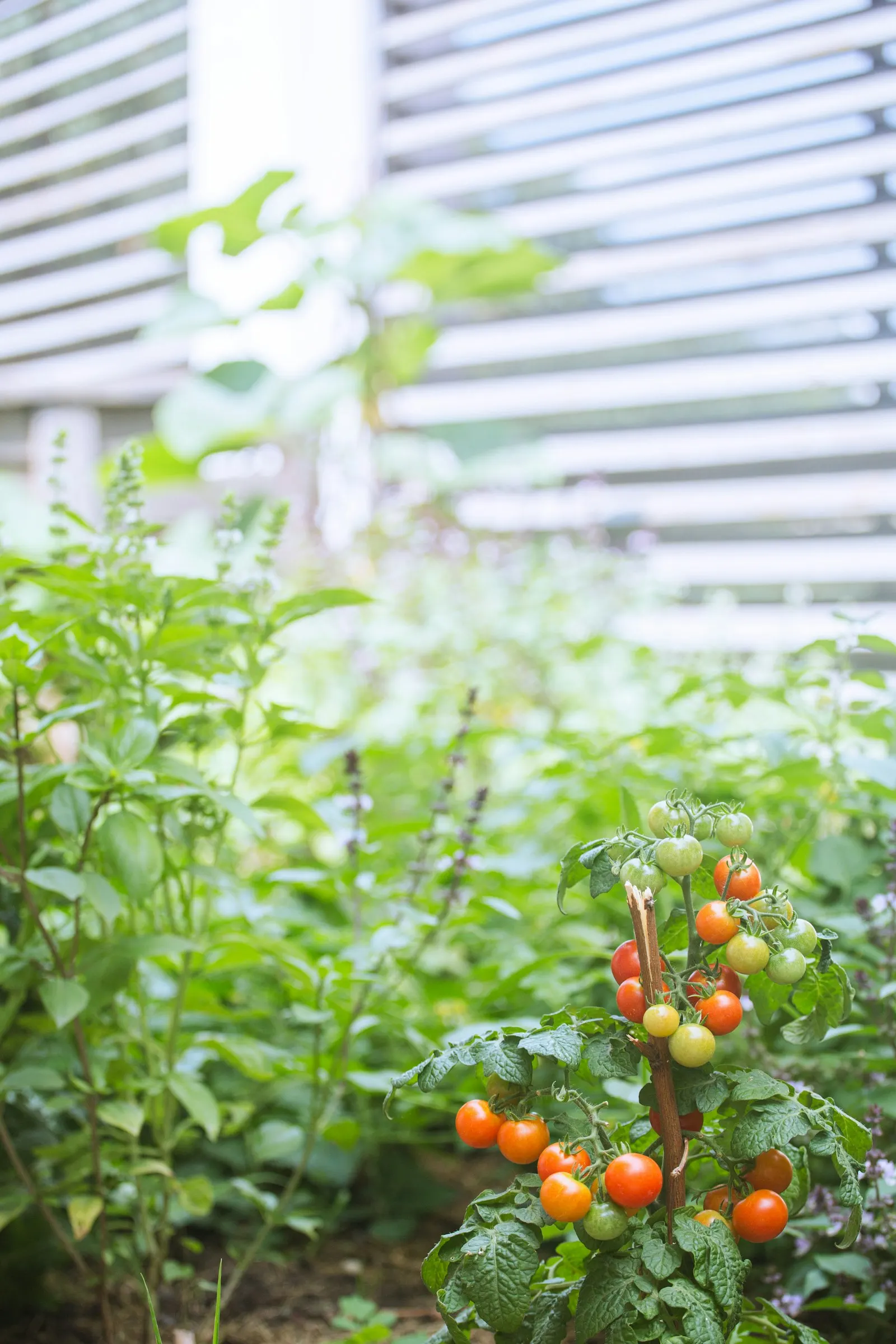
Companion planting is growing different crops near each other so they help one another — shading soil, supporting vines, pulling in beneficial insects, or using different root depths so they aren't fighting for the same water. The real version of it is about spacing and structure, not the magic-pairing charts that get passed around online.
I'll be straight with you: a lot of popular companion planting advice is folklore with no research behind it. Here's what actually holds up, and how to use it in a raised bed without overthinking it.
What companion planting actually does
Strip away the mythology and you're left with a handful of real mechanisms:
- Physical support — a tall, sturdy crop gives a climbing crop something to grow up
- Shade and moisture — sprawling, broad-leafed plants shade soil, cutting weeds and slowing evaporation
- Root depth — pairing deep-rooted crops with shallow ones means they're pulling from different layers instead of competing
- Attracting beneficial insects — flowers near vegetables bring in pollinators and predatory insects that eat pests
The three sisters: the one everybody cites
Corn, beans, and squash grown together is the classic example, and it's classic because every part of it does real work. Corn gives the beans a pole to climb. Beans fix nitrogen into the soil. Squash sprawls across the ground, shading out weeds and holding moisture in.
It's a genuinely good system, but it needs space — this isn't a 4x4 raised bed project. University of Minnesota Extension has a solid rundown of it and other pairings worth trying.
Pairings worth actually doing
- Flowers (marigolds, nasturtiums, alyssum) tucked among vegetables — brings in pollinators and predatory insects
- Lettuce or spinach under taller crops like tomatoes — the shade keeps greens from bolting as fast in summer heat
- Radishes between slower crops — they're out of the ground in about a month, so they use space that isn't needed yet
- Herbs like basil and dill along bed edges — they flower, attract beneficials, and don't take much room
What to ignore
Most of the specific "never plant X near Y" rules floating around have little or no research behind them. Some, like keeping brassicas and strawberries apart, get repeated constantly without much evidence. I'm not saying they're definitely wrong — I'm saying don't redesign your whole bed around them. I planted marigolds around my tomatoes my first season expecting some kind of pest force field. Never noticed a difference in pests — the bees showed up more, though, so I still plant them.
The one pairing rule that does hold up consistently: keep members of the same family apart across seasons. That's crop rotation, and it matters because same-family crops share the same soil-borne diseases and pests. West Virginia University Extension covers which specific pairings have decent evidence versus which are mostly tradition.
Laying out a bed with this in mind
- Put the tallest crops on the north side so they don't shade everything else out
- Give sprawling crops like squash a corner where they can spill over the edge instead of into other plants
- Fill the gaps between slow crops with fast ones like radishes or lettuce
- Tuck a few flowering plants along the edges for the beneficial insects
Frequently asked questions
- Does companion planting actually work, or is it a myth?
- The mechanisms are real — physical support, shade, root depth, and attracting beneficial insects all measurably help. The specific "never plant these together" charts are mostly folklore without research behind them.
- What is the three sisters planting method?
- Corn, beans, and squash grown together: corn supports the climbing beans, beans fix nitrogen into the soil, and squash shades the ground to suppress weeds and hold moisture. It works well but needs more space than a small raised bed.
- Do marigolds really repel pests?
- They attract beneficial and predatory insects, which is the useful part. The broader claim that they repel most garden pests on their own is far weaker than the internet suggests — plant them for the beneficials, not as a pest shield.
- What should not be planted together?
- The most defensible rule isn't about specific pairings but plant families: don't plant crops from the same family in the same spot season after season, since they share soil-borne diseases and pests.
- Can I use companion planting in a small raised bed?
- Yes, but skip the space-hungry systems like three sisters. Focus on interplanting fast crops between slow ones, putting tall crops on the north side, and adding a few flowers at the edges.