Why Your Tomatoes Are Splitting, Rotting, or Not Ripening
Riley Hofmann
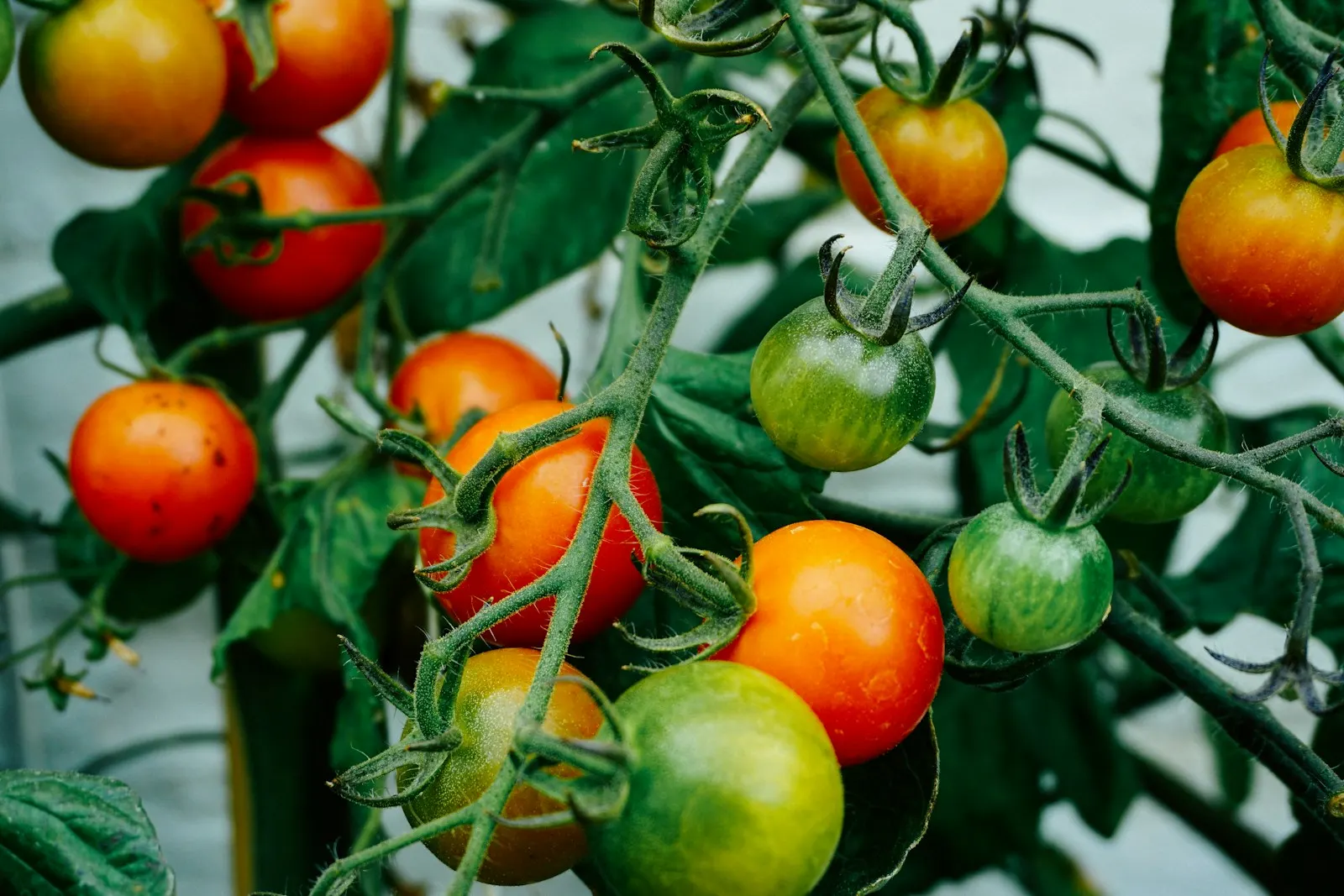
Almost every tomato problem that panics a first-year gardener comes down to inconsistent watering, not disease. Blossom end rot, cracked skins, and fruit that sits green forever are usually symptoms of how the plant is being watered and fed, which is good news — those are fixable without spraying anything.
Here's how to tell what you're actually looking at, and what to do about it. Worth knowing up front: heirloom varieties are more prone to cracking than commercial hybrids, and that's a trait, not a failure on your part.
Black sunken spot on the bottom: blossom end rot
A dark, leathery, sunken patch on the blossom end — the bottom of the fruit, opposite the stem — is blossom end rot. It's not a fungus and it's not contagious. It's a calcium delivery problem inside the plant.
Here's the part that trips people up: it's usually not that your soil lacks calcium. It's that inconsistent watering, or too much nitrogen fertilizer, stops the plant from moving the calcium it has into the developing fruit. Dumping calcium supplements on the bed rarely fixes it. The first one I found, I was sure I'd killed the plant somehow — turned out I'd just let the bed go dry for a few days the week before, then overcorrected with a heavy watering.
- Water deeply and consistently instead of letting the bed swing between bone dry and soaked
- Mulch to hold soil moisture steady between waterings
- Ease off high-nitrogen fertilizer, which pushes leafy growth at the expense of fruit
Oregon State University Extension has a deeper breakdown if you want the full mechanism. Affected fruit won't recover, but the next fruit on the same plant can be fine once watering evens out.
Cracked or split skin
Cracks — rings around the shoulders or splits running down the sides — happen when a tomato takes on water faster than its skin can stretch. Classic cause: a dry stretch followed by heavy rain or a heavy watering.
Same fix as blossom end rot, really: consistent moisture and mulch. Heirlooms crack more because they weren't bred for the thick shipping skin that commercial hybrids have. A split tomato is still fine to eat if you use it quickly — just don't let it sit, since open cracks invite rot. University of Maryland Extension covers both problems together if you're seeing more than one at once.
Fruit that won't ripen
Tomatoes stall out on ripening when it's too hot — above roughly 85-90°F, the pigments that turn fruit red don't develop properly. It looks like a plant problem but it's a weather problem.
- In a heat wave, just wait it out — ripening resumes when temperatures drop
- Late in the season, pick fruit that's started to blush and finish it indoors at room temperature
- Don't refrigerate ripening tomatoes; cold permanently kills the flavor and stalls ripening
Yellowing lower leaves
Some yellowing on the very lowest leaves late in the season is normal aging. Yellowing that climbs steadily up the plant, especially with dark spots, is more likely an early blight–type fungal issue — and that's about airflow.
Water at the base instead of overhead, space plants so air moves between them, and remove the lowest leaves touching soil. Most fungal problems on tomatoes start with soil splashing onto low leaves.
Frequently asked questions
- What causes blossom end rot on tomatoes?
- A calcium delivery problem inside the plant, usually driven by inconsistent watering or excess nitrogen fertilizer — not usually a calcium deficiency in the soil itself. It isn't a disease and doesn't spread between plants.
- Should I add calcium or crushed eggshells to fix blossom end rot?
- Usually not the fix. Most soil already has adequate calcium; the problem is that irregular watering prevents the plant from moving it into the fruit. Fix the watering consistency first.
- Can I eat tomatoes with blossom end rot or cracks?
- Yes — cut away the affected area on blossom end rot, and use cracked tomatoes quickly before rot sets into the split. Neither makes the rest of the fruit unsafe.
- Why are my tomatoes staying green?
- Usually heat. Above roughly 85-90°F, tomatoes stop developing the pigments that turn them red. Ripening picks back up when temperatures fall, or you can ripen blushing fruit indoors at room temperature.
- Why do heirloom tomatoes crack more than store-bought ones?
- Heirlooms weren't bred for the thick, shipping-durable skin commercial hybrids have. That thinner skin is part of why they're better to eat, and also why they split after uneven watering.