When to Start Seeds Indoors: A Beginner's Planting Calendar
Riley Hofmann
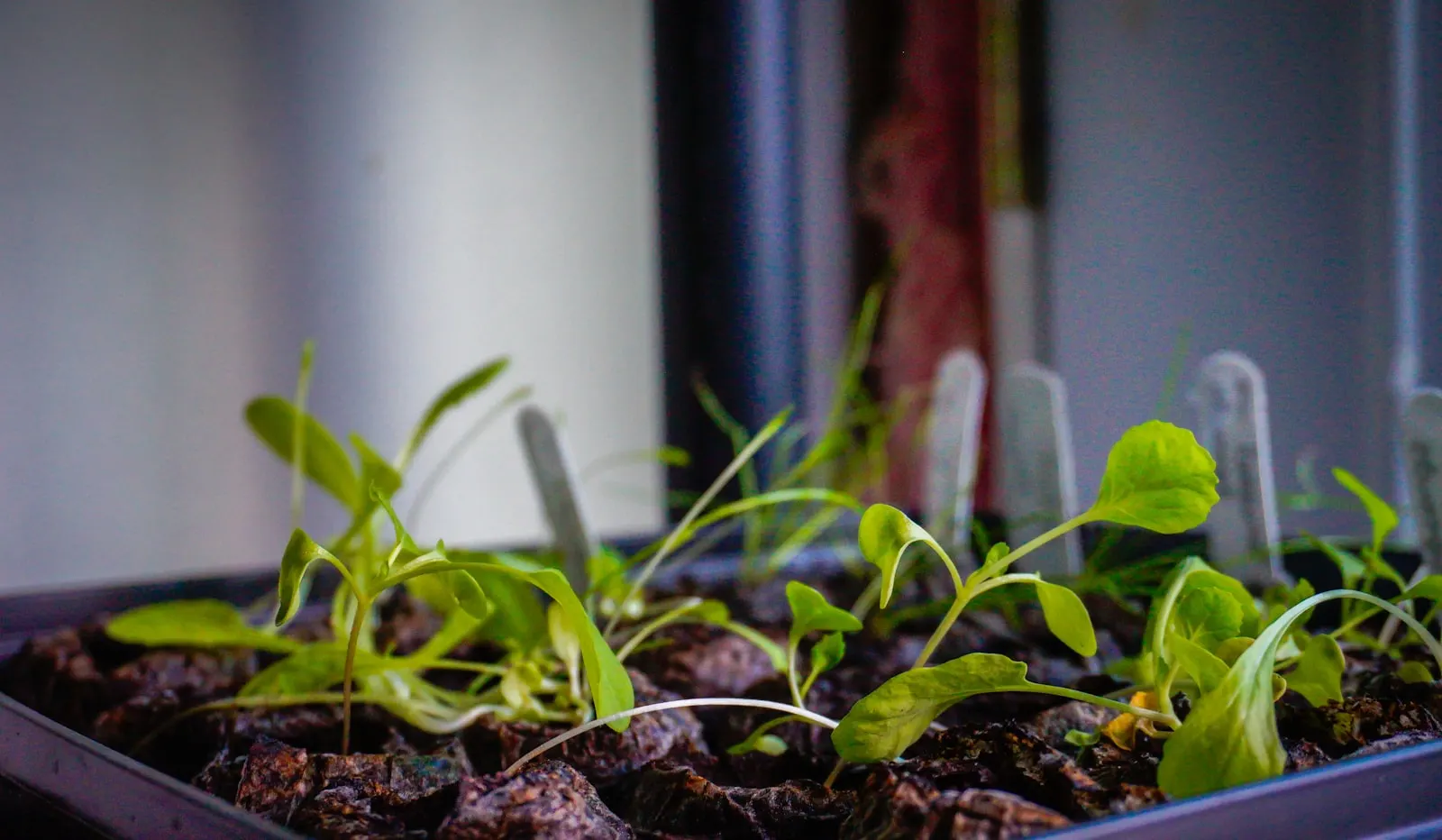
Some vegetables want a head start indoors, weeks before your ground is even workable — and starting them at the right time, not just "sometime in spring," is most of what separates strong first plants from a windowsill of leggy, stretched-out seedlings. The trick is counting backward from your last frost date, not forward from whenever you feel like it.
If you haven't built the bed these are eventually going into, start with how to build a raised bed vegetable garden first — no point starting seeds for a garden that doesn't exist yet.
Why bother starting seeds indoors at all
Some crops need a long runway to fruit before your season runs out — tomatoes and peppers especially. Starting them indoors buys you 6-8 extra weeks of growing time you wouldn't get by direct-sowing after your last frost. Other crops don't care either way and actually do better sown straight into the ground — more on which is which below.
Find your last frost date first
Everything here works backward from one number: your average last spring frost date. Look it up through the USDA hardiness zone map or your local extension office — both will get you close enough. Once you have it, the rest is just counting weeks.
What to start indoors vs. what to direct-sow
- Start indoors: tomatoes, peppers, eggplant, onions from seed, and slow growers like celery and leeks
- Direct-sow outside instead: beans, peas, carrots, radishes, and most root crops — they don't like having their roots disturbed by transplanting
- Either way works fine: lettuce and other leafy greens do okay started indoors or sown straight into the bed
Cucumbers, squash, and melons are a special case. Some guides list a 2-3 week indoor head start for them, but they hate having their roots disturbed enough that direct-sowing after your last frost is usually the safer call, unless you're using biodegradable pots that go into the ground with the plant.
A simple backward-counting timeline
Once you know your last frost date, work backward from these ranges:
- 8 weeks before: celery, parsley, leeks, and slow-growing hot peppers like habanero
- 6-8 weeks before: tomatoes, eggplant, bell and sweet peppers, onions from seed
- 4-6 weeks before: broccoli, cabbage, cauliflower, kale, and other brassicas, plus lettuce and herbs like basil
- 2-3 weeks before, if starting indoors at all: cucumbers, summer squash, melons
University of Maine Cooperative Extension has a more complete breakdown if you're growing something that isn't on this list.
Basic indoor setup
You don't need a grow room. A sunny south-facing window works for a lot of crops, though tomatoes and peppers usually do better under a basic grow light — most windows don't provide enough direct hours of light to keep them from stretching.
- Use containers with drainage holes — a seed tray, cell pack, or a clean cup with holes poked in the bottom all work
- Use a seed-starting mix, not garden soil or compost straight from the bag — it's lighter and won't crust over tiny roots
- Keep the soil consistently moist, not soaked, until germination
Hardening off before you transplant
Hardening off is just slowly getting your indoor seedlings used to actual outdoor conditions — wind, direct sun, temperature swings — before you plant them in the ground for good. Skip it and you'll likely lose some plants to shock even if everything else went right.
Start about a week to 10 days before your planting date. Set the seedlings outside in a sheltered, partly shaded spot for a couple hours the first day, and increase the time and sun exposure a little more each day. University of Maryland Extension has a solid day-by-day version of this if you want something more exact.
Common mistakes
Starting too early is the one that gets almost everyone, including me, more than once. Seedlings started too far ahead of your transplant date get tall, thin, and floppy from reaching for light, and they rarely catch up once they're in the ground.
- Skipping hardening off entirely and moving plants straight from windowsill to garden bed
- Not thinning seedlings, so several compete in one small cell for light and root space
- Using garden soil instead of a seed-starting mix, which compacts and smothers new roots
Frequently asked questions
- How many weeks before my last frost should I start seeds indoors?
- It depends on the crop: 8 weeks for slow growers like celery and leeks, 6-8 weeks for tomatoes and peppers, 4-6 weeks for brassicas and lettuce, and only 2-3 weeks — if at all — for cucumbers and squash, which don't like their roots disturbed.
- Do I need grow lights, or is a sunny window enough?
- A sunny window can work for lettuce and herbs, but tomatoes and peppers usually stretch and go leggy without a basic grow light, since most windows don't provide enough direct hours of light.
- What is hardening off and why does it matter?
- It's the process of gradually exposing indoor seedlings to outdoor wind, sun, and temperature before transplanting them for good. Skipping it is one of the most common reasons seedlings stall or die right after being planted out.
- Can I just direct-sow everything and skip starting seeds indoors?
- For a lot of crops, yes — beans, peas, carrots, and radishes generally do better direct-sown anyway. Slow, long-season crops like tomatoes and peppers are the main exception; most climates don't have a long enough season to direct-sow those and still get a real harvest.
- What if I don't know my last frost date?
- Look it up through the USDA Plant Hardiness Zone Map or your local extension office using your zip code — both will get you a reliable average date to count backward from.